



Introduction
Children naturally love to play. Games are a big part of their daily lives, whether online or offline. What if learning could feel just like playing a game? This is exactly what educational games aim to do.
Educational games combine fun and learning in a way that keeps children interested and motivated. Instead of traditional lessons, kids can learn important skills while enjoying interactive challenges and activities.
In this article, we will explore the role of educational games in kids’ learning and why they are such an effective tool.
What Are Educational Games?
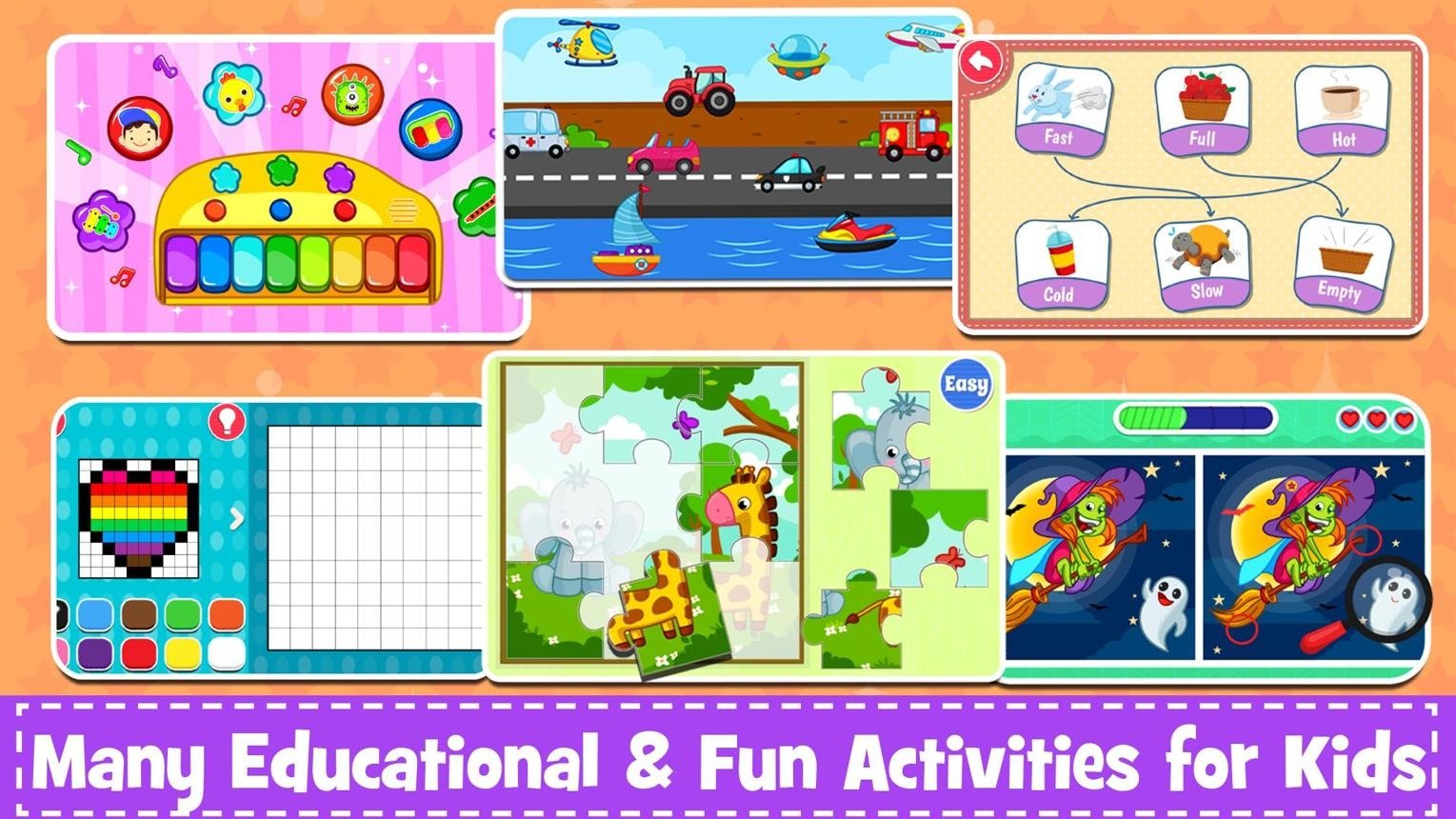
Educational games are activities designed to teach children different skills while they play. These games can be found on websites, apps, or even simple online platforms.
They cover many subjects such as:
- Math
- Reading
- Science
- Problem-solving
The goal is to make learning enjoyable and less stressful.
Why Games Are Effective for Learning
Games are powerful because they match how children naturally learn. Kids are curious, active, and enjoy challenges.
When learning is presented as a game:
- Children stay focused longer
- They are more willing to try again after mistakes
- They feel excited to complete levels and earn rewards
This makes learning more effective compared to traditional methods.
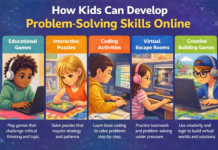
Improving Problem-Solving Skills
Many educational games include puzzles and challenges. These activities require kids to think carefully and find solutions.
This helps children develop problem-solving skills, which are important for both school and everyday life.
Instead of memorizing information, kids learn how to think.
Learning from Mistakes
In games, making mistakes is part of the process. Kids can try again without feeling embarrassed or stressed.
This teaches an important lesson: failure is not the end—it is a step toward success.
Children become more patient and willing to keep trying until they succeed.
Boosting Motivation
Educational games often include rewards such as points, badges, and levels. These rewards motivate children to continue learning.
Kids feel proud when they achieve something, even if it is a small step.
This motivation keeps them engaged and encourages regular practice.
Enhancing Memory and Focus
Games require attention and concentration. Kids need to remember rules, follow instructions, and complete tasks.
This improves memory and helps children stay focused for longer periods.
Over time, these skills also help in school and daily activities.
Encouraging Creativity
Some educational games allow children to create, design, or explore freely.
This encourages creativity and imagination. Kids can express themselves and try new ideas without limits.
Creative thinking is an important skill for future success.
Safe and Controlled Learning Environment
Educational games are usually designed with children in mind. They provide a safe space where kids can learn without exposure to harmful content.
Parents can feel more comfortable allowing their children to play and learn at the same time.
Balancing Games and Learning
While educational games are helpful, balance is important. Too much screen time is not healthy.
Parents should:
- Set time limits
- Choose high-quality games
- Encourage breaks
- Combine online and offline activities
A balanced approach gives the best results.
Conclusion
Educational games play an important role in helping children learn in a fun and engaging way. They turn lessons into exciting experiences and help kids develop important skills.
By combining play with education, these games make learning easier, more enjoyable, and more effective.
With the right guidance, educational games can be a powerful tool that supports a child’s growth and development.